
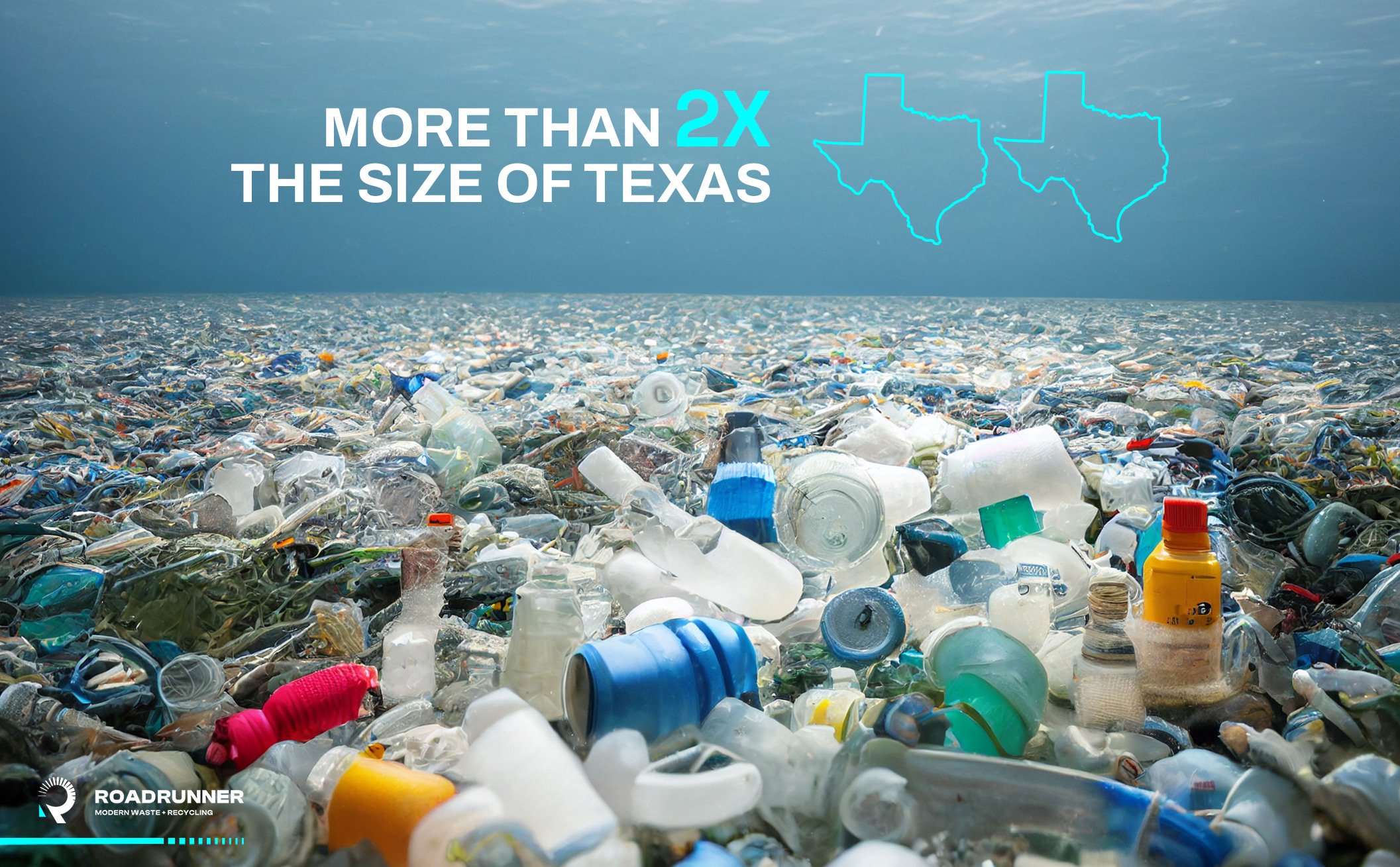
Plastic. The revolutionary invention that changed humanity for the better, or so we thought. Plastic is a part of everyday life for millions of people across the globe. It’s in our packaging, clothes, electronics, appliances, and much more. Although it is a flexible and relatively useful material, it takes a much greater toll on the environment than the first users of plastic ever could have imagined.
Unfortunately, while some plastic can be recyclable, much of it ends up in landfills or scattered across the earth (including in the ocean). The real issue lies in the fact that plastic is not biodegradable. It does not decompose, like many of our other materials, so it quickly builds up around the earth. These plastic buildups, like the one in the pacific ocean, have all kinds of harmful effects. Not only do they damage wildlife, they also damage soil, and poison clean water sources. Not to mention, the micro plastics -tiny pieces of plastic that are unable to decompose- can cause health effects for humans as they end up in our bodies through food and water.

While we can’t stop industries from using plastic all on our own, there are definitely some steps we can take to help reduce our own plastic waste. When possible, avoid single use plastics! Reusable straws and water bottles are easy swaps to make which can actually save you money in the long run. A Brita Pitcher is another great find that I’ve switched to using in college. It is easy to fill and allows you to use tap water as drinking water at home, rather than buying cases of water bottles. The initial cost will quickly pay off, and the filters last for months. With food shopping, it can be difficult to cut out plastic packaging completely, but there are definitely ways to reduce. Bringing reusable bags to the store means avoiding the infamous plastic bags. You can also buy food in bulk so less plastic packaging is being used. Then, store that food in reusable glass containers for easy storage. Local farmers’ markets are another great place to find healthy food without all of the unnecessary packaging. Also, when possible, reuse containers for other purposes in your house (like planters or leftover storage). Always remember to check for a recycling symbol before throwing away anything too.
Another great way to stay environmentally friendly is changing up your hygiene routine. If you are able, there are alternative options for many of our everyday products. This includes shampoo and conditioner bars, toothpaste tablets and bamboo brushes, washcloths, and plastic free deodorants are all readily available options that can be purchased online or in some major stores. They avoid the plastic packaging and unnatural ingredients that come with our standard hygiene products.
Even just adding a few of these changes can make a world of difference for the environment. They might just benefit you too!
I think you have some great suggestions on how to reduce plastic use in our everyday lives. I think everyone knows that plastic is an issue, but not everyone knows the best way to make an individual difference. I found it interesting that you mentioned changing hygiene practices because I never really noticed how much plastic goes into our daily hygienic routine. I usually associate plastic with food and drinks, so I think you really opened by eyes there. Do you currently use any of these reduced plastic hygiene routines that you recommend?
This post reminded me of a conversation that I had with one of my professors regarding the book he was writing. In that book, he argues that the real legacy of humans in not going to be our technology or our culture, but instead it is going to be our trash. Most of the things we dispose will take significantly longer to disappear from this planet than we will, so in essence they will out live us. My first reaction to this claim was that it was disheartening, but upon further reflection, I think that it can more so serve as inspiration to do better and be more environmentally conscious. All of your recommendations are excellent and increasingly important if we want to avoid leaving behind a trash covered planet.
You raised some really good points here that I never even thought of – buying in bulk to reduce packaging, and being more conscious about hygiene materials; I remember, especially with the latter, watching a documentary that discussed just how much waste comes from (unused) hygiene products alone (its actually crazy). I know I try to limit my usage of plastic by only using resuable water bottles, keeping my own dishes in my room and washing them/resuing them. I get especially bothered when I have to go to one of the stores and am forced to accept a plastic bag because I don’t have a resuable tote to carry purchases…There’s so much we could do, especially here at Penn State alone to reduce plastic waste: we can start by eliminating plastic bags and reducing plastic drink bottles (a lot of people fill and refill their own stainless steal bottles anyway). Overall, plastic is one of the bigger drivers behind environmental degradation and climate change and we need to put more effort into addressing its waste.