• Log In
 Visit the Pennsylvania State University Home Page

OLEAD 410: Leadership in a Global Context

Cultural Leadership blog

The Result of Imperialistic Ideology on Culture in Africa

Photo credit: Credit: Ed Kashi/VII – CPI News Corp

Over the last few hundred years, the pan-African societies and culture has gone through many changes and much adversity. One of the most historical changes that has been detrimental to the continent has been the division of people, land and cultures during the European colonization of Africa. The division of land was imposed by imperialist European countries and leaders. The Dutch, Germans, French and English, to name a few, through imperialist ideology and policy are responsible for shaping much of the cultural dynamics in Africa. The landscape has been divided into very distinct cultures and countries within the continent. This division has caused much of the human suffering and ongoing regional conflicts. In this piece we will examine two major impacts of how imperialist ideology and policy shaped the overall culture in Africa. The two main topics we will focus on are conflicts stemming from socio-economic policy and the conflicts resulting from the incorporation and division of religious doctrine.

Africa has always been known for its beauty, resources, nature, scenery and endless open landscapes. Between the year of 1870 and early 1900, Europeans discovered these enriching entities and through aggressive diplomatic pressure, military invasion and hostile suppression, set forth toward the motherland with intent to occupy the land. The Europeans were motivated by the economic, political and social factors that were in place at the time of the discovery. As the invasion ensued and new lines were drawn in Africa, what was called  “the great scramble” for Africa, would change the continent forever. One of the outcomes that has caused much conflict was the socio-economic policy imposed by the British. The new policy of governing laws, taxation and social processes led to the the dilution and dismantling from the African culture. The specifics of this occurrence was illustrated well by Dr. Moses Ochonu who is an associate professor of African history at Vanderbilt University.

“Modern Nigeria emerged through the merging of two British colonial territories in 1914. The amalgamation was an act of colonial convenience. It occurred mainly because British colonizers desired a contiguous colonial territory stretching from the arid Sahel to the Atlantic Coast, and because Northern Nigeria, one of the merging units, was not paying its way while Southern Nigeria, the other British colony, generated revenue in excess of its administrative expenses.” (Ochonu, 2017).

What we learn from this was the British built an infrastructure that stretched over various communities of people. The infrastructure and systems that were built were unmanageable, unrealistic and were not sustainable by the global leaders that enacted these policies. After years of Britain’s influence on Africa’s culture and policy, not only were the systems not working but when the British fleeted after Africa gained its sovereignty back, it was too late. This event led to wars that are still going on to this day. Not only was this socio-economic policy and strategy a disaster, it also lead to other cultural impacts like the influence of new from the Muslim conquest to the crusades, the surmounting war in Africa religious doctrine.

Throughout history, religious indifference has caused the death of millions of people throughout the world. One of the present day conflicts in Africa that stem from the European imperialist colonization are the wars caused from religious inequality and domination. … Affected natives converted into Christianity because colonizers presented their religion as a sign of protection and prosperity in one hand and declared false to the natives’ culture and tradition on the other hand.” (Mehood, 2017). After Africa gained back its independence, the lines that were once drawn, vanished. With no infrastructure, the transformation of religious doctrine and the arrival of new religions ideology and policy, Africa is facing severe consequences. 

“As a religious problem, the problem of suffering is, paradoxically, not how to avoid suffering, but how to suffer, how to make of physical pain, personal loss, worldly defeat, or the helpless contemplation of others’ agony something bearable, supportable – something, as we say, sufferable.” (Geertz, 1973)

Furthermore we can see that global imperialism, even with good intention can have detrimental impacts on a culture and society. There is an old saying that goes “the road to hell is paved with good intention.” (N.a). Having good intention to colonize land that possesses what one most desires can oftentimes lead to destructive dehavior and cause unforseeable damage. In the case for Africa, it has been just that. In the midst of a land that is beautiful, there is much pain and suffering. This suffering as we can now see stems from a failed socio-economic policy and a division of religion doctrines by the means of an imperialistic ideology.


Written By: Steven Strauser

Pennsylvania State University – Organizational Leadership


Work Cited

Lewis, M. (1977). Culture and Conflict in Africa. Millennium – Journal of International Studies. Volume: 6 issue: 2, page(s): 175-181. Retrieved on April 10th 2019 from https://journals.sagepub.com/doi/abs/10.1177/03058298770060020601

Mehmood, R. (2017). A critical study of African and South Asian transformation in the result of British colonization. Journal of the Research Society of Pakistan, 54(1) Retrieved from http://ezaccess.libraries.psu.edu/login?url=https://search-proquest-com.ezaccess.libraries.psu.edu/docview/1918824015?accountid=13158

Moller, B. (2006). Religion and conflict in Africa with a special focus on East Africa. Danish Institute for International Studies. Retrieved on April 11th 2019 from https://www.files.ethz.ch/isn/20975/RP_06_6.pdf

Peter Abrahams. (1954). The Conflict of Culture in Africa. International Affairs (Royal Institute of International Affairs 1944-), 30(3), 304-312. Retrieved on April 9th 2019 from https://www.jstor.org/stable/2605750?pq-origsite=summon&seq=1#metadata_info_tab_contents

Ochonu, M. (2017). The roots of Nigeria’s religious and ethnic conflict. Pri News. Retrieved on April 11th 2019 from https://www.pri.org/stories/2014-03-10/roots-nigerias-religious-and-ethnic-conflict

 

How UBER Tried to Change Their Broken Corporate Culture

Image result for uberThe sound of Uber’s fall from glory resonated louder with each negative headline that plagued the company for months.  Uber’s struggle through damaging scandals have played out in blaring viral media taglines, such that many experts were not shy to proclaim the company’s severe public relations problems.   While it’s clear Uber has more than its fair share of problems, they are not, first and foremost, public relations problems.  Many critics brought up the company’s negative influence on ridership in public transportation and the declining revenue it produced for cities.

Uber passengers and public transportation users alike fond themselves stuck in heavy traffic for prolonged periods of time because of what’s been called

“UBER CONGESTION”

(Hill, 2018).  The ulitmately operational scandals resulted in replacement of Uber’s co-founder Travis Kalanick as chief executive in August of 2017 with Dara Khosrowshahi who previously headed Expedia group.  He had a tall order in hands: to fix a business model that harms drivers and the environment, and drains away passengers and revenue from public transportation.

To address the company’s far-reaching and fundamental culture problems, Uber announced a pilot of a corporate education program — a rare move for a company in crisis (Carson, 2018).  This rapid and urgent change to avoid business failure is a reactive method implemented in tuning point situations (Moran, et al., 2011).  There was really no other way to save Uber but rather to pivot and focus the public eye on positive changes, learning, and growth.   As opposed to anticipatory change, when a company is aware that their current strategies are still producing, but on the slowdown, and can slowly implement new game plans, Uber was ripe for immediate action.
Image result for learning and change in leadership

CHANGE

During the first phase of discovery, it has been found that Uber’s senior executives weren’t working as a team and only had one-on-one relationships with the previous CEO-Kalanick who was in charge of them all.  Further down, the 3,000 managers at Uber were untrained and new in managing others.  Finally, the 15,000 employees of Uber didn’t have a common sense and understanding of the business’s strategy — a hazardously unorthodox strategy for an organization that was known for empowering an individual’s ideas (Carson, 2018).

The focus of the new plan of action for changing the corporate culture must have been planned to start from the top and to trickle down the organizational backbone.  The executive team needed to work together in the interim absence of the CEO and after the new leadership joined the company, the focus shifted to managers and all the employees that needed to operate on the same wavelength when it came to strategic thinking.

Related image

However, when an organization integrates employees from different national cultures, the challenges are more significant and for the shift to occur, the skills required for success need to be broader, deeper and more sophisticated (Moran, et al., 2011).  Uniting managers and employees from globally integrated organizations can produce higher resistance to change.

Ann Marie Malecha of Dezenhall Resources, a crisis management and public affairs firm, suggests that for Uber to be able to recover from this very publig fall from grace, several steps need to occur (2017).  A steady and strategic communication that would likely require an influx of money and some time would be essential to Stop the Bleeding. Furthermore, upon facing the recovery from damaged reputation, Malecha (2017) suggests that it is time to take hard look at what caused the breakdown.  It is time to Roll up the Sleeves refresh the learning mode and implement new policies, workforce changes, as well as new leadership to combat a corporate culture of impropriety and misconduct.  In the end only the hard work, investment in change and education, and leadership commitment would result in a change to the organizational culture and Back to Business style focus on winning.

While the typical method for implementing organizational change that involve unfreezing, change and refreezing steps over time is usually preferred, it may often happen that global companies have too much on the line and cricises at hand to be able to manage shifts with more analytical aproach of planned change.  Social learning however may be a good start to unite the multiple levels of employees of the company and the change must start at the top.

References

Carson, B. (2018, February 8). Inside Uber’s effort to fix its culture through a Harvard-inspired ‘university.’          Forbes. Retrieved from: https://www.forbes.com/sites/bizcarson/2018/02/03/inside-ubers-effort-to-fix-its-culture-through-a-harvard-inspired-university/#1cc586291695

Hill, S. (2018, March 26). New leadership has not changed Uber. The New York Times. Retrieved from: https://www.nytimes.com/2018/03/26/opinion/leadership-uber-business-model.html

Malecha, A. M. (2017, June 20). Will a leadership shake-up drive operational change at uber? Forbes. Retrieved from: https://www.forbes.com/sites/forbesagencycouncil/2017/06/20/will-a-leadership-shake-up-drive-operational-change-at-uber/#a50687130e59

Moran, R. T., Abrmson, N., Moran, S. V. (2011). Global Leaders Learning from Others and Change. In Managing Cultural Differences (pp. 101-139). New York: Routledge

Diversity: A Tiny Crack on the Glass Ceiling

 Diversity: A Tiny Crack on the Glass Ceiling

Crack in the Glass Ceiling
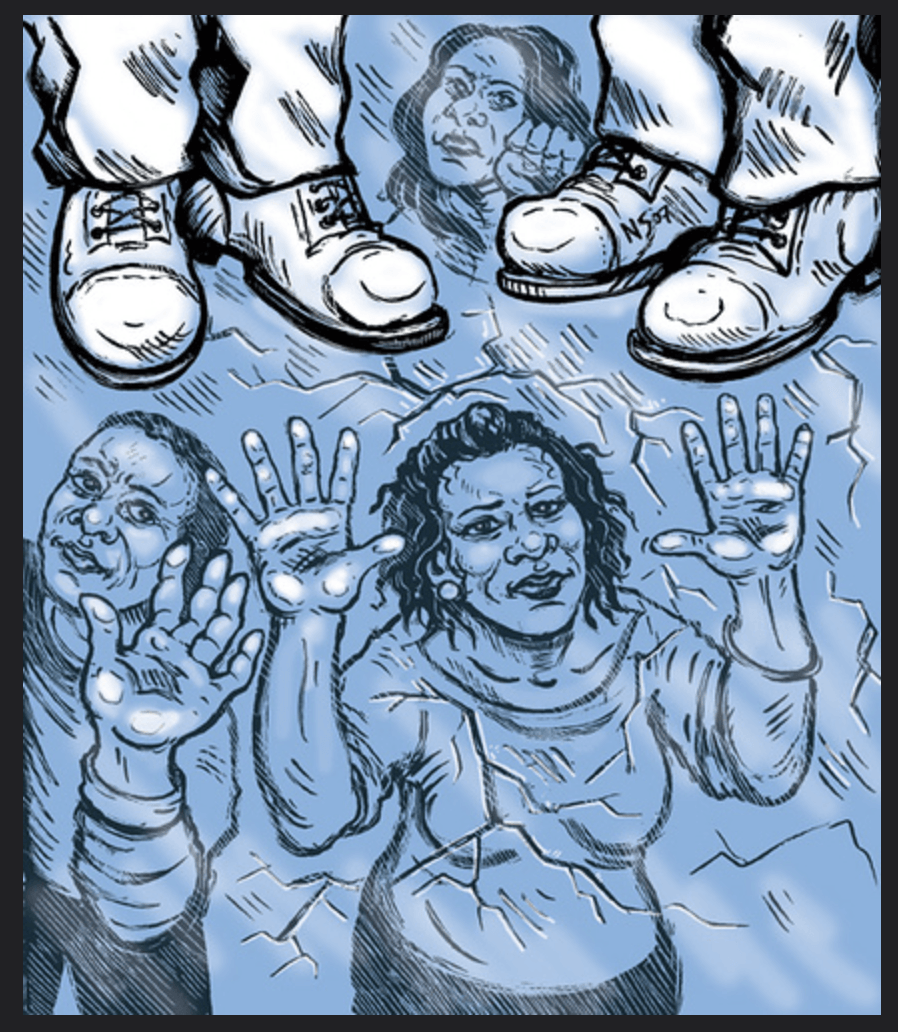
The attached cartoon Image from Flickr.com illustrates the disparity between women and men in the workplace.  According to Inc.com,  in an article titled: “Breaking the Glass Ceiling as a Female Entrepreneur” by Stephanie Chung, a reality we must face is that men are still exercising control over leadership roles.  It is alarming to know that women make up only 15.4 percent of CEO positions and 33 percent of senior management roles. Women want to make a name for themselves, they are anxiously and fervently trying to break that glass ceiling.  According to the Bureau of Labor Statistics, the median weekly earnings of full time and salary women workers is always a lot less than that of men, in every single profession.  Take a look at the data of annual averages detailed by occupation and sex.

Can we crack the glass ceiling? Is there any hope for our future generation of women?

Diversity is really about all of the differences, it is so important that we include in our lives and workplaces the many different perspectives of the various groups of people.   According to Moran et al. (171), diversity exists in different forms, of culture, age, gender, racio-ethnicty, nationality,  personality, values, and attitudes.  I will focus on the issues surrounding gender in the legal field.

The American Bar Association recently released a publication on January 2018 titled “A current glance at Women in the Law” which is very informative.  We can easily see the gap in salaries among men women lawyers.  In the legal profession, men hold 65% of the seats while women hold only 35%.  The General Counsels of the top Fortune 500 companies are 73.6% male and only 26.5% women.   We can probably go on and on and the list will be immensely long.

We have a problem, what are we going to do about it?

There are several organizations that are trying to make waves to create and incorporate awareness and changes.  For example, The Minority Corporate Counsel Association – Advancing diversity, inclusion and Equity, released a survey about minorities in the law profession  and (MCCA’s 18th Annual General Counsel survey of Breaking through the Concrete Ceiling, One Woman at a Time) while they document the progress that has been made since 1999, there is still a huge gap especially for minority women.

In Stepanie Chung’s in Inc.com, “Breaking the Glass Ceiling as a Female Entrepreneur” she suggests that we become bolder, network with other women, show passion for our work, try to promote ourselves and cultivate a variety of mentors.  We must continue to move forward, continue to prepare and educate ourselves so that we can break the glass ceiling and pave a better furture for our daughters and granddaughters.

Works Cited:

Breaking the glass on the ceiling [Image] retrieved from Flickr.com (Sept 8, 2018)

Moran, R. T., Abramson, N. R., & Moran, S. V. (2014). Managing Cultural Differences (9th ed.). Oxford: Routledge.

Chung, Stephanie, “Breaking the Glass Ceiling as a female entrepreneur”, Inc.com, Retrieved from: https://www.inc.com/stephanie-chung/breaking-the-glass-ceiling-as-a-female-entrepreur.html

“MCCA’s 28th Annual General Survey of “Breaking through the Concrete Ceiling, One Woman at a time”,  Diversity & the Bar, Retrieved from: https://DiversityandtheBardigital.com (Sept 8, 2018)

United States Department of Labor, Bureau of Labor Statistics, “Labor Force Statistics from the Current Population Survey”, Retried from: https://bls.gove/cps/cpsaat39.htm (Sept 8, 2018)

A glance at Women in The Law, The American Bar Association, Retrieved from: https://www.americanbar.org/content/dam/aba/administrative/women/a-current-glance-at-women-in-the-law-jan-2018.authcheckdam.pdf (Sept 8, 2018)

Cultural Synergy: Using Synergy to Balance Strategy and Purpose

Synergy is defined as a cooperative or combined action and occurs when diverse or disparate individuals or groups collaborate for a common cause. The objective is to increase effectiveness by sharing perceptions and experiences, insights, and knowledge. (Cultural Synergy & Moran, Abramson, & Moran, 2014, p . 266)


In Harvard Business Review, Chevreux, Lopez, & Mesnard (2017) discuss ways in which companies create synergy within a company by striking a balance between strategy and purpose. I found this article particularly interesting in analyzing synergy because it added a new element of strategy. Research on synergy has long focused on groups being purpose driven and goal-oriented for synergistic success, the authors here depict a world where synergy is enhanced when strategy serves your purpose.


Additionally, Chevreux, Lopez, and Mesnard outline 4 criteria for leaders to improve the synergy at their companies.

  • Know Your Purpose
    • Identify your shared values and goals
  • Aim for the Golden Mean
    • Finding balance within various goals, as opposed to sacrificing one for another
  • Develop Corporate Plasticity
    • Recognize changing parameters and be flexible in cooperating to stick to your purpose
  • Actively lead operationalization
    • Use leadership to empower individuals and inspire your group to stay focused on your purpose Moran, Abramson, and Moran (2014) wrote that “to empower means that leaders give individual members more freedom to act, thereby allowing them to demonstrate their capabilities.” (p. 320)


The authors use SpaceX as an example of a current company who exemplifies these traits. They praise Elon Musk’s leadership in defining a clear goal: to make space travel easier by being able to reuse rockets, similar to how airplanes work. “Everyone at SpaceX knows their company exists to make space radically more accessible.” (Chevreux, et al. 2017)


Especially in an increasingly global society, following these patterns for successful synergistic teamwork is imperative. Navigating cultural differences at large global companies and becoming educating leaders who can inspire and empower individuals to chase after a singular purpose, will continue to be an important area for success in the future.


Resources:


Chevreux, L. , Lopez, J. and Mesnard, X. (2017). The Best Companies Know How to Balance Strategy and Purpose. Harvard Business Review: November 2, 2017. Retrieved from: https://hbr.org/2017/11/the-best-companies-know-how-to-balance-strategy-and-purpose


Cultural Synergy. (n.d.) Leadership in a Global Context–OLEAD 410. Online course lesson, Penn State World Campus, The Pennsylvania State University. Retrieved February 15, 2018, from https://psu.instructure.com/courses/1916378/modules/items/23640546


Moran, Abramson, & Moran. (2014) On Managing Cultural Differences. Oxford: Routledge


Mustafa Kemal Ataturk and His Reforms

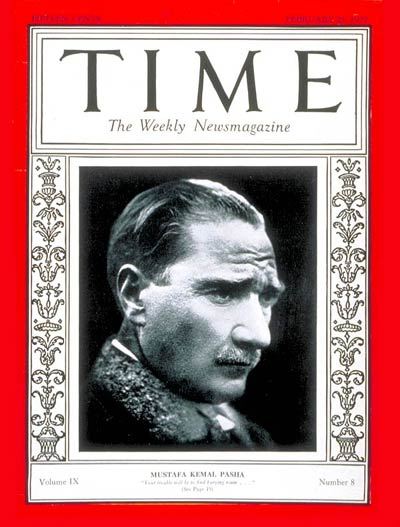
This week as we mostly talked about how important for a leader to make adaptation on himself first and then others, I wanted to write about my idol leader in history. If you ever visited my home country Turkey,  you have probably noticed lots of statues, portraits, and photographs of Mustafa Kemal Atatürk (1881 – 1938) displaying in random restaurants, banks, post offices and even in cars windows as a decal, who is the founder of the modern Republic of Turkey.

Atatürk was a charismatic leader (he is my first pick and the second one is JFK) and a comprehensive reformer, and task leading leader to his citizens through a drastic and comprehensive program of reform to “westernize” the Republic of Turkey so that it could hold its own among other developed nations.  The central belief driving the reform program was that Turkey would have to Westernize in order to modernize and stay compatible woth the rest of the modern western countries.  The six main principles that underpin these reforms are referred to as “Kemalism”, and are actually written into Turkey’s constitution: republicanism, nationalism, populism, reformism, etatism (statism), and secularism. Today they are still valued and treasured by most Turkish citizens.

As the ideas behind Schein’s (1980) planned change theory, Ataturk miraculously managed to empower his people not only learning new things but adapt to the new things in such short time. He managed to implement his vision thru planned change stages; unfreezing, changing, and refreezing (OLEAD 410, 2018)

He undertook significant legal reforms which replaced the canonical law that was in place, adopting the Swiss Civil Code, and the Italian Penal Code.  The key achievement of these reforms was the complete separation of government and religion. Educational institutions and the army were also separated from politics. The exclusion of religion from the nation’s public life was probably the most shocking of his reforms at the time – religious schools were closed down, religion became a matter of personal conscience, and public education was secularised.

Education was made free, co-educational and secular from primary school through to post-graduate level education, and primary school was made compulsory.  A particular emphasis was put on the education of girls and women.  Atatürk also did much to further women’s rights, introducing laws that would see women enjoy rights equal to men, give them the right to vote and to be elected to parliament.  Other laws drastically reformed marriage (abolishing polygamy) and family relations (notably equal rights for women in divorce, custody, and inheritance). Not even clothing was exempt from his reforms – men were banned from wearing the “fez” hat, a ban which continues to today, and wearing of the headscarf or veils in public buildings was also banned.

Many world leaders acknowledged Ataturk as an exemplary leader and even the CEO of Tesla, Elon Musk visited Ataturk mausoleum last year and he shared one of Ataturk’s quotes on his Twitter account.

Although Ataturk died in 1938, his legacy still continues despite the current Turkish government agenda. And although I was not born during his existence, I am proud to say I grew up with the privileges he has provided for me and many other women in Turkey.


References:

OLEAD 410 Lesson 5 Notes (2018). Penn State World Campus.

Mustafa Kemal Ataturk. (n.d) retrieved on February 6, 2018, from http://www.columbia.edu/~sss31/Turkiye/ata/hayati.html


Woman as Leaders

Rosalinde Torres studies leadership and advises on leadership practices. In her Ted talk, “What it takes to be a great leader,” Rosalinde gives 3 qualities that make a great leader in the 21rst century. First, a great leader has to the ability to anticipate change to their next business model or in life (Torres, 2014). Anticipating change involves taking stock of who you engage with, how you travel and what you read (Torres, 2014). The second involves building relationships and spending time with a diverse network of people from different backgrounds and expertise (Torres, 2014). The last is being courageous enough to build the emotional stamina to withstand people telling you that your new idea is naïve or reckless or just plain stupid (Torres, 2014). Thus, your diverse experiences, exposures, and relationships will make you a great modern leader. Unfortunately, as a woman, we also have to deal with our juxtaposed status as women and the traditionally held views about leadership and masculinity.

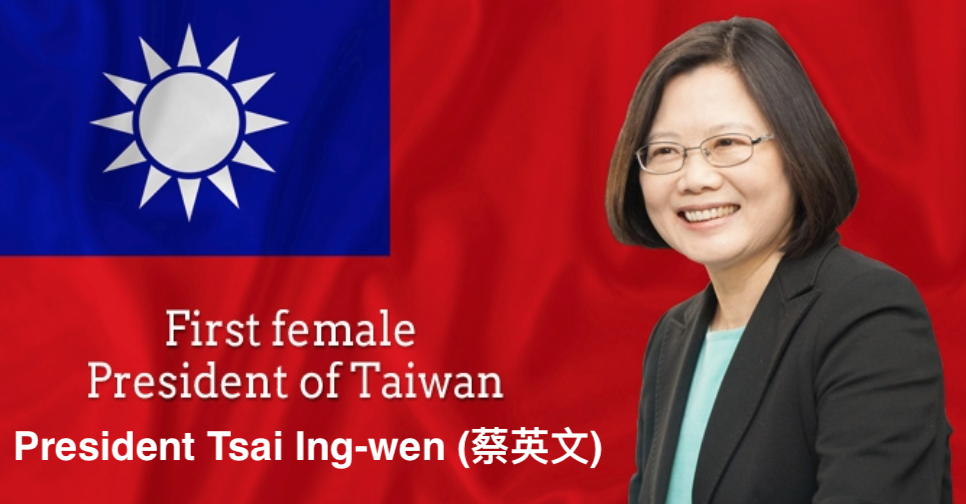
There are more than 70 countries in Europe, Latin America and the Asia-Pacific where women have held top leadership positions. “America is still seen as the policeman of the world, the guardian of the world and we still have a very gendered version of what leadership means,” said Laura A. Liswood, secretary general of the United Nations Foundation’s Council of Women World Leaders, a network of current and former female prime ministers and presidents. Women are expected to be both likable and tough (Bennhold & Gladstone, 2016). To be accepted in many top leadership positions that have been historically dominated by men, women leaders are expected to conform to our female stereotypes of femininity, modest, and credit sharing maternal figures while also demonstrating masculine traits that convey agency and have historically been identified with leadership (Eagly & Carli, 2007). These traits include self promotion, aggressive attitudes, ambition and decisiveness, to name a few. The masculine traits that are stereotypical of not only men-but also of leadership itself are embedded in many parts of our society, making it difficult to break (Eagly & Carli, 2007). However, when women exhibit these traits without also tempering them with the accepted traits that are expected from women, like being communal, well liked, kind, nurturing and warm, subordinates tend to reject the woman leader as inauthentic or too aggressive (Eagly & Carli, 2007).


Women are not less motivated, capable, or less desirous of leadership positions than men. In fact, studies have shown that men and woman don’t lead all that differently, and where both are equally qualified, not more effectively either (Kellerman & Rhode, 2007). Bridging the leadership gender gap is a work that is underway. With exploration into the complex issues that keep women from exiting the labyrinth and moving into top leadership positions, and dealing head-on with the challenge of negotiating the inclusion of differences on a deep and surface-level, we may eventually come to a place of greater equality in leadership roles – regardless of differences in gender.

Works cited

Bennhold, K., & Gladstone, R. (2016, November 11). Over 70 nations have been led by women. So why not the U.S.? Europe. Retrieved from http://www.nytimes.com/2016/11/11/world/europe/women-world-leaders-clinton-trump.html?_r=0

Eagly, A. H., & Carli, L. L. (2007). Through the labyrinth: The truth about how women become leaders (2nd ed.). Boston, MA: Harvard Business School Press.

Kellerman, B., & Rhode, D. L. (2007). Women and leadership: The state of play and strategies for change. San Francisco, CA: Jossey-Bass, a Wiley Imprint.

Torres, R. (2014, February ). Transcript of “what it takes to be a great leader.” Retrieved October 24, 2016, from https://www.ted.com/talks/roselinde_torres_what_it_takes_to_be_a_great_leader/transcript?language=en

The First Law of Thermodynamics and Synergy

Photo Credit Global Source Technology

Photo Credit Global Source Technology

The first law of thermodynamics is that energy cannot be created or destroyed. Which means that what allows us to move around comes from a source that has been around since the beginning of time. Okay, so stay with me, I will tie this into cultural synergy.

All this week, I’ve been thinking about cultural synergy and how it plays out in our world. The word synergy comes from the Greek and means working together which leads me to believe that if we want to create a positive work environment or social environment, all members have to contribute in the best way the know how (M0ran, Abrasion, Moran, 2014).

Rachel Gillet (2015) wrote in Business Insider , that the tech giant google is one of the best places to work for according to employee surveys. I think, what is effective, is that google sets a climate that is inclusive and respectful of all its employees. According to the article, provides free Wi-Fi, shuttles to and from work, laundry and work out facilities, healthy food and 18 months paid maternity leave for all its employees. It’s this climate that allows the team members to enjoy coming to work, because they know they don’t have to compromise their health by overworking, eating unhealthy foods, etc. In addition to setting a positive climate, employees or team members need to feel like their experiences are being valued and not disregarded. Ideas should not be compromised or tossed aside, instead in true synergy, they are not lost they are enhanced (M0ran, Abrasion, Moran, 2014).

Let’s go back to the idea that energy cannot be created or destroyed. If this is true, then that could suggest that each human is the sum of all that came before him or her as well as the sum of all that is in existence right now. This gives us cultural relevance that goes beyond coming from different countries or areas. It’s the difference between living in the suburbs and living in the modern projects. Those experiences that we’ve learned form shape how we interact with others, how we relate to others and how we think. Some of that is changed as we grow older and interact with the world around us, but there needs to be value in that. So, a team that truly has synergy understands this concept and creates ways engage each member and his or her talents, thoughts and feelings. I believe that this is how we can create intergraded solutions that are effective.


References

M0ran, T, Abrasion, N.R., Moran, S.V., 2014 Managing Cultural Differences Ninth edition

Gillet, R. 2015, Here’s what it’s REALLY like to work at Google, the ‘world’s most attractive’ employer. Business Insider http://www.businessinsider.com/heres-what-its-really-like-to-work-at-google-the-worlds-most-attractive-employer-2015-9

Learning and Change: Thinking and Acting Globally and Locally

Global Drivers

The sun blazed down on me while the inspector walked slowly around the car.  “I can only price out what I can see is damaged.  There may be more once we take the bumper off”, said Elizabeth.  “It’s so hot today.  I don’t know how people did it without air conditioning”, she then remarked.  After mentally picturing a historical Savannah, GA scene briefly, I mumbled mildly in agreement and alluded to the days of yore when clothing was wool and full dress was the norm year round.  She then went on to tell me it was probably not so bad back then because global warming was causing it to be hotter now.  Acknowledgment of global warming is not something one hears often in the Deep South at least until more recently, but times and opinions are changing.  Technically, she’s right even if that measurement is over the course of a longer timespan than a single day which brings me to the point; climate change and its impacts are something that we can only address as an organization of humans beings living on this planet in partnership with multinational organizations by social learning accompanied by change.  Both of these require leadership.

Climate Change and Water

Strong evidence points to human involvement in the escalation of climate change and negative impacts on freshwater sources as well as the need for our help in the remediation of the same is presented by the IPCC (2007).  In short, our social actions got us into this mess, and we need social learning and social actions to get us out of it.  First, humans are innately social creatures therefore learning in a social context is fundamental to our growth.  Second, change can be executed using actions and behavior shifts derived from social learning.  The topic of climate change is a ready example of a problem that is truly global and must be addressed by human (organization) behavioral shifts as well as business organizational shifts.

Mindsets and How They Change – Mechanism

Moran, Abramson, and Moran (2014) describe mindsets as how we see ourselves, our companies, and how business should be done as well as the driver for overall strategy (p. 113).  As mindsets cement themselves into corporate or human culture, they become very difficult to change as evidenced by Phillips and Panasonic (Bartlett, 2011).  The need for social learning and change, however, is critical to the survival of corporations and cultures as learned by Blackberry’s inability to see past themselves and where the market was trending (Gustin, 2013).  How do affect change in nations or multinational companies?  Through individuals.

Companies are made up of individuals, and if you are lucky enough to find those who are like-minded, you work with them and support them – that’s how to get things moving.”

– Per Carstedt (Senge, 2008, p. 62)

The famed psychologist, Albert Bandura (1986), skillfully demonstrated the phases groups progressively move through as social learning is applied.  First, we focus our attention on the actions of others and observe.  Second, we retain what we’ve seen so that we can refer to that model for use in similar situations in the future.  Third, we assess situations to evaluate if the motivation is right to act such as the need to impress others or if we find the action beneficial to ourselves.  Lastly, we reproduce the behavior should the motivation be sufficient.  The key element Bandura (1986) showed was that a totally new action was learned and performed by a subject put in a similar situation simply by watching another ‘modeler’ first.  While Bandura (1986) showed how social learning is applied to an individual, the same methods can be used to alter behavior on a macro level as well.

Mindsets and how they change – Action

Moran et al. (2014, pp. 113-123) cite Perlmutter’s (1969) conclusion of three possible mindsets as ways to deploy change throughout a group of individuals be it a multinational company or any other group; ethnocentric, polycentric, and geocentric.  First, ethnocentric mindsets are summed up by the ideology that “my way is the right way, and everyone else must conform”.  Knowledge and adjustments are propagated the least in this approach.  Polycentric mindsets are slightly better because autonomy is given to local groups (within group) however knowledge is not passed well between groups (between group) as described by Pennsylvania State University (2015a).   Lastly, due to its’ global aggregation and application of the best ideas, geocentric mindset is highlighted as the most effective of the three by Moran et. al stating, “[leaders and organizations adopting the geocentric mindset] achieve the most effective and performance enhancing learning” (p. 122).

Combining Bandura’s (1986) mechanisms of social learning with Perlmutter’s (1969) method of finding and applying the best lessons to learn, we finally get to implementation.  Schein’s (1980) planned change theory works from the platform of Lewin’s (1952) three stage model which includes unfreezing current behaviors, attitudes, and actions by showing people there is a flaw in the current system and change is necessary or beneficial (motivation) then changing individuals to the desired behaviors, attitudes, and actions then refreezing to achieve the end result.  Pennsylvania State University (2015b) sums up the leaders role in this by stating, “The leader must motivate people in the organization to want change (by overcoming the perception of threat and pain), help them unlearn old behaviors, help them learn new behaviors, as well as make sure that there is a support system (infrastructure, training, people, etc.) to make sure the change actually goes beyond lip service.”.

What does this look like in real life?

Peter Senge (2008) walks through multiple examples of multinational corporations changing their underlying views, culture, and behavior, but we’ll focus on Coca-Cola and the World Wildlife Fund as examples.  As Dan Vermeer, a member of Coke’s water and environment staff, says “Coca-Cola has been focused on water management for about 120 years, really since the origin of the business.  But in the past, the emphasis has been on operational performance: efficiency, wastewater treatment, managing water within the plant.” (Senge, 2008, p. 77).  As of 2007, Coke’s guiding principles have moved beyond their interior walls and they have taken a global perspective as then CEO and Chairman E. Neville Isdell put it, “We should not cause more water to be removed from a watershed than we replenish.” (Senge, 2008, p. 77).

What makes Coke and WWF great examples is that they are truly multinational corporations with Coke having bottling plants and WWF having field offices in local markets across the world.  After backlash from a Coke bottling facility running smoothly throughout a three year drought in Kerala, India by tapping into an aquifer while local farmers suffered, Coke figured out it was time to rethink their view on water which is a key ingredient of their product therefor their business.  First, Coke started with performing interviews with more than 250 individuals across the company to obtain their perspective on water where they found friction points in local communities, but there was also an eagerness to discuss water usage. (Senge, 2008, pp. 81-83).  There was also very polycentric views of people saying, “You’re telling me about water risk in Southeast Asia.  I don’t manage plants in Southeast Asia, I manage them in Rungsit, Thailand.” (Senge, 2008, p. 81).  Coke also found that many local operators assumed that the water they were getting from a municipality was ensured and that knowledge about where the municipalities got their supply wasn’t being considered (Senge, 2008, p. 82).  Lastly, the survey showed that local management did have awareness of watershed issues, didn’t have any framework or support to address them.  Instead of going down the typical route of having local managers provide feedback to corporate then being disengaged (ethnocentric method), Coke had the corporate water team instead created local workshops based on the business units’ feedback to the survey.  Once people saw the data and risk combined, Coke had their motivation for change and local leaders took proactive approaches to discussing with their own teams to build this social change [Schein’s (1980) 1st and 2nd item of Planned Change Theory] using a geocentric approach.

The Journey to Sustainable Sugar Begins Here

As one of the world’s thirstiest crops, sugarcane has a significant environmental impact—particularly when it comes to water use and quality—on many critical regions, from Southeast Asia’s Mekong River Delta to Central America’s Mesoamerican Reef. Yet it can be produced in environmentally, socially and economically sustainable ways.

– WorldWildlife.org

To highlight that the multinational culture can change socially, Coca-Cola has reached outside its walls yet again, and their relationship with the World Wildlife Fund has grown as well.  Both entities had to push past previously conceived ideas to be standoffish with each other.  Typically, companies like Coke and WWF are at odds.  One is removing fresh water for profit while the other is trying to protect the same resource.   For example, Senge (2008) correctly states that simply by partnering with WWF, Coke acknowledges a very real water crisis which could have an impact on the whole soft drink industry while also noting WWF put its credibility on the line by partnering with ‘big business’ (p. 92).

In this case, around 2005 Coke and WWF were able to see the bigger picture.  Coca-Cola had a keen interest in understanding their use of and risk to key water resources, but they didn’t understand watersheds like WWF.  WWF realized that they could partner with Coke to affect even more change than Coke’s dollars donated to WWF alone would facilitate through mechanisms like helping Coke spend non-water related dollars on items like tea, sugar cane, and other products in a sustainable manner (Senge, 2008, p. 84).  Coke and WWF engaged at the people level by having regional meetings which at first were uneasy and distrustful but through leadership in both groups grew into an effective partnership at every level of both organizations enhancing the goals of each group and creating new opportunity (pp. 87-89).  As WWF coordinator Suzanne Apple said, “We had to shift our thinking to focus on why we should work together and how we might really accomplish more together than separately.” (Senge, 2008, p. 84).

See for yourself:

WWF and Coca-Cola – Partnership Leading to Global Change

We can see clearly that there are needs for global organizations to change not simply for the sake of change.  They must do so through leadership initiation of change, providing reasons that make sense, motivating people to do so, allowing room for the best ideas to be harvested and implemented, then creating and freezing the new culture.  One final point, social learning and change are not one time events.  They are ongoing and will continue on their own unless we as global leaders steer them in the right directions, we just have to be vigilant and humble enough to do so.


For more info on the Coca-Cola/WWF parthership:

http://www.worldwildlife.org/partnerships/coca-cola


References

Bandura, A. (1986). Social foundations of thought & action: A social cognitive theory. Upper Saddle River, NJ: Prentice Hall.

Bartlett, C. A., and Ghoshal, S. (1991) Managing Across Borders: The Transnational Solution. Harvard Business School. Boston, MA

Gustin, S. (2013, September 24).  The Fatal Mistake That Doomed Blackberry.  Time.com. Retrieved from http://business.time.com/2013/09/24/the-fatal-mistake-that-doomed-blackberry/

Intergovernmental Panel on Climate Change, (2007). Climate Change 2007: Impacts, Assessments, and Vulnerability.  Cambridge University Press. Retrieved from https://www.ipcc.ch/pdf/assessment-report/ar4/wg2/ar4_wg2_full_report.pdf

Lewin, K. (1952): Field Theory in social Science. Social Science Paperbacks: London.

Moran, R.T., Abramson, N.R. and Moran, S.V. (2014) Managing Cultural Differences. Routledge, New York.

Pennsylvania State University. (2015a) Lesson 1: Introduction to Leadership in a Global Context. The Pennsylvania State University. .P. 4. Retrieved from https://courses.worldcampus.psu.edu/fa15/olead410/001/content/01_lesson/04_page.html

Pennsylvania State University. (2015b) Lesson 04: Global Communication. The Pennsylvania State University. .P. 5. Retrieved from https://courses.worldcampus.psu.edu/fa15/olead410/001/content/04_lesson/05_page.html

Perlmutter, H. V., (1969). The Torturous Evolution Of Multinational Enterprises. Columbia Journal of World Business, Vol. 1, No. 1, PP. 9-18.

Schein, E. H. (1980). Organizational psychology. Englewood Cliffs, NJ: Prentice Hall.

Senge, P. M. (2008). The necessary revolution: How individuals and organizations are working together to create a sustainable world. New York: Doubleday.  PP. 1-92

Recent Posts

  • Lesson Learned Blog Post
  • Germany
  • Blog 4: Economic development in Russia
  • My experience in GERMANY – Blog 4
  • Island Life and Tourism

Recent Comments

  • wje116 on My experience in GERMANY – Blog 4
  • jms7581 on Blog #4 Russia by Taylor Rasmussen
  • wje116 on Blog #4 Western Influence on Younger Generations of Japanese
  • kmb7437 on Blog #4 Western Influence on Younger Generations of Japanese
  • Julia Poston on Managing Virtual Cross Cultural Teams

Categories

  • Administration
  • Africa
  • Asia: Focus on China and India
  • Asia: Focus on Japan
  • Central America and Mexico
  • culture
  • diversity
  • Eastern Europe and Russia
  • Global Communication
  • introduction
  • Learning and Change
  • Middle East
  • South America
  • Synergy
  • Uncategorized
  • Western Europe

Archives

  • November 2024
  • November 2021
  • October 2021
  • September 2021
  • August 2021
  • April 2021
  • March 2021
  • February 2021
  • January 2021
  • December 2020
  • November 2020
  • October 2020
  • September 2020
  • August 2020
  • April 2020
  • March 2020
  • February 2020
  • January 2020
  • December 2019
  • November 2019
  • October 2019
  • September 2019
  • August 2019
  • April 2019
  • March 2019
  • February 2019
  • January 2019
  • December 2018
  • November 2018
  • October 2018
  • September 2018
  • August 2018
  • May 2018
  • April 2018
  • March 2018
  • February 2018
  • January 2018
  • December 2017
  • November 2017
  • October 2017
  • September 2017
  • August 2017
  • July 2017
  • June 2017
  • May 2017
  • April 2017
  • March 2017
  • February 2017
  • January 2017
  • December 2016
  • November 2016
  • October 2016
  • September 2016
  • August 2016
  • December 2015
  • November 2015
  • October 2015
  • September 2015
  • August 2015
  • April 2015
  • March 2015
  • February 2015
  • January 2015
  • December 2014
  • November 2014
  • October 2014
  • September 2014
  • August 2014
  • November 2013

Tags

Africa Body Language Change Climate Change Commitment Communication Cultural Synergy culture differences. OLEAD410 Diversity Germany global Global Leadership government programs Hello How to Inclusion integration intro Introduction Japan lady gaga Leadership learning Learning and Change in a Global Setting Lesson 6 life Maddy BigAngel Middle East minorties OLEAD OLEAD 410 olead410 OLEAD497B OLED OLED 410 Posting public sector Saudi Arabia school social social learning synergy thermodynamics Western Europe
 Visit the Pennsylvania State University Home Page
Copyright 2026 © The Pennsylvania State University Privacy Non-Discrimination Equal Opportunity Accessibility Legal